

TradeFlow Asia Logo TradeFlow Asia Contact Us
Contact Us
Finance Fundamentals

Reading Trade Balance Sheets: A Beginner’s Guide

Learn how to interpret trade data, understand imports versus exports, and what deficits actually mean for an economy.

March 2026 7 min read Beginner Level
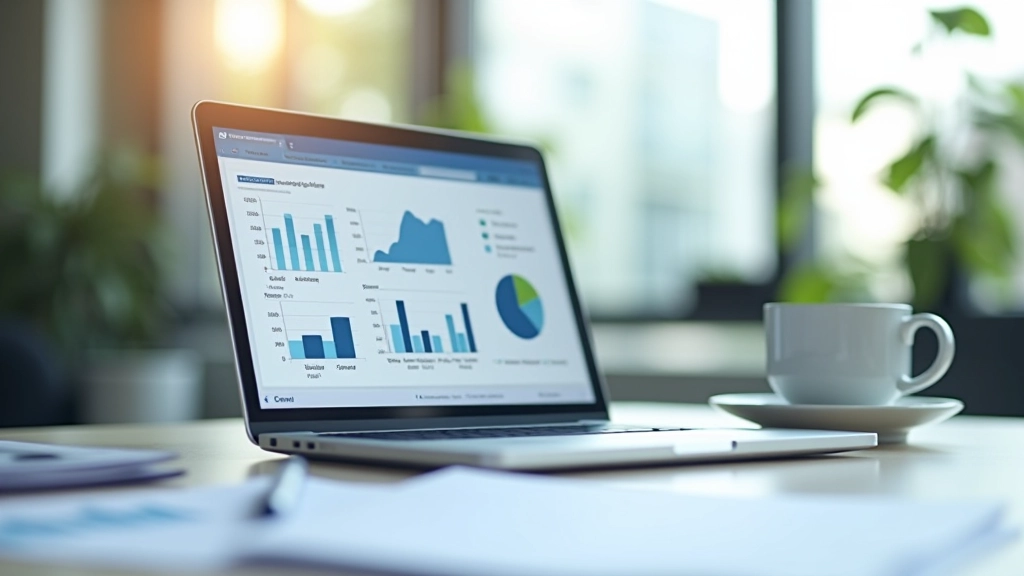
Modern office workspace with computer showing trade balance sheets and financial data analysis documents on desk

Why Understanding Trade Data Matters

Trade balance sheets can seem intimidating at first. All those numbers, abbreviations, and economic jargon make you want to skip straight past them. But here’s the thing — you don’t need a PhD in economics to read them. What you need is a solid understanding of what you’re actually looking at.

Whether you’re interested in Malaysia’s export boom, following international trade policy, or just curious about how countries buy and sell with each other, trade data tells a real story. It shows what nations are good at producing, where they’re buying from, and what that means for their economic health. Once you understand the basics, these sheets become much less mysterious.

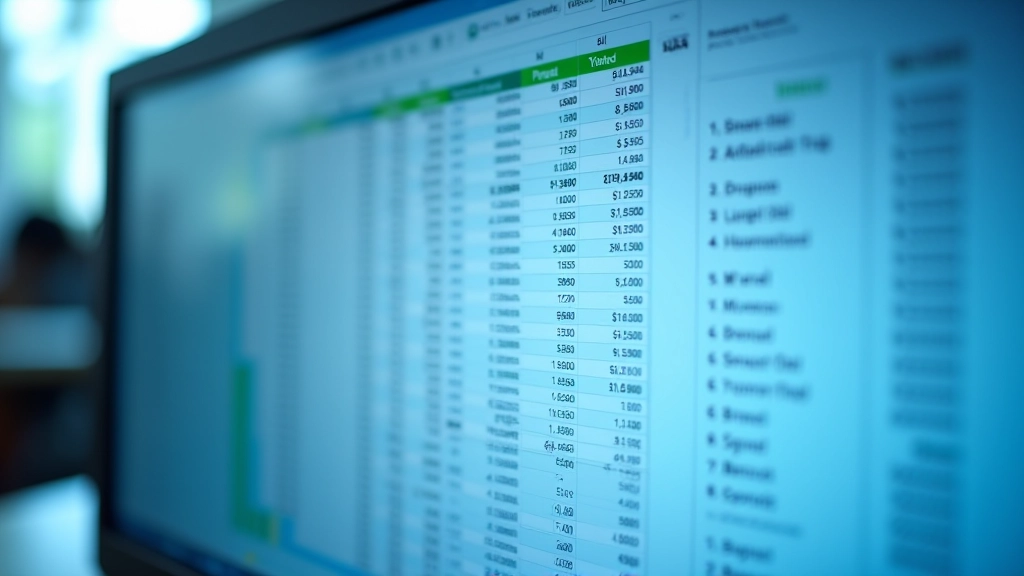
Close-up of financial spreadsheet showing trade import export figures and balance calculations

The Fundamentals: Imports, Exports, and Balance

Let’s start with the basics. Every country buys things from other countries (imports) and sells things to other countries (exports). The trade balance is the difference between these two numbers. When a country exports more than it imports, that’s a trade surplus. When it imports more than it exports, that’s a trade deficit.

Key Definition: Trade Balance = Total Exports Total Imports. If the number is positive, you’ve got a surplus. If it’s negative, you’re running a deficit.

Now here’s where it gets interesting. A trade deficit isn’t automatically bad, and a surplus isn’t automatically good. Malaysia, for example, imports raw materials and energy but exports high-value electronics and palm oil products. The balance depends on what’s being traded, who’s trading, and whether the trade actually benefits the country’s economy.

Infographic-style diagram showing trade flow between countries with import export arrows and balance calculations
Table showing different product categories in trade data with values and percentages

What You’ll Actually Find in Trade Sheets

When you open a trade balance sheet, you’re looking at organized data broken down by product category. Electronics, textiles, agricultural products, minerals — everything gets listed separately with values in millions or billions of dollars.

Most trade sheets show you several years of data side by side, so you can spot trends. Is Malaysia exporting more semiconductors than last year? Are palm oil exports declining? Are imports of petroleum increasing? These patterns matter because they show whether an economy is shifting, growing, or struggling in specific sectors.

Standard columns you’ll see:

  • Product Category: What’s being traded (semiconductors, crude oil, palm products, textiles)
  • Export Value: How much of this product was sold abroad
  • Import Value: How much of this product was bought from other countries
  • Year-over-year Change: Growth or decline compared to previous period
  • Percentage of Total Trade: How important this category is overall

Why Context Changes Everything

Here’s what makes trade data actually useful: understanding the story behind the numbers. Malaysia’s trade balance doesn’t exist in a vacuum. It’s shaped by regional trade agreements like RCEP and CPTPP, by global demand for electronics, by commodity prices, and by supply chains that stretch across multiple countries.

When you’re reading a trade balance sheet, ask yourself these questions. Why is Malaysia exporting so much electronics? Because the country’s become a major semiconductor manufacturing hub. Why does it import so much crude oil? Because the country needs energy to power those factories. The numbers make sense once you understand the economy behind them.

“Trade data isn’t just numbers on a spreadsheet — it’s a window into how economies actually work and what countries are good at producing.”

— Economics analyst perspective

Global trade map showing Malaysia's position in ASEAN and international supply chains

Practical Steps to Read a Trade Sheet

You don’t need to memorize everything. Here’s how to approach it strategically.

01

Check the Time Period

First thing — what month or year are you looking at? Trade data gets updated regularly, usually monthly or quarterly. You want to know whether you’re reading current information or historical data.

02

Look at the Top Categories

You don’t need to read every single product. Focus on what makes up the largest percentages. For Malaysia, that’s electronics, palm oil, and petroleum products. These drive the overall balance.

03

Compare Year-Over-Year

Single numbers don’t tell much of a story. Look at how exports and imports have changed. Is electronics growing? Are raw material imports stable? These trends matter more than one month’s snapshot.

04

Calculate the Overall Balance

Total up exports and imports, find the difference. That’s your trade balance for the period. Then ask — is this better or worse than the same period last year? Is the trend improving or declining?

You’re Ready to Read Trade Data

Trade balance sheets don’t have to be intimidating. You’ve now got the foundation to understand what you’re looking at. Imports and exports, surpluses and deficits, product categories, year-over-year changes — these aren’t mysterious concepts anymore.

The real skill isn’t memorizing every number. It’s asking the right questions. Why are these products being traded? How does this compare to previous periods? What does this tell us about the economy? Start with those questions, and the data will start making sense.

Whether you’re tracking Malaysia’s electronics exports, monitoring palm oil trade dynamics, or understanding how RCEP affects regional commerce, you’ve now got the tools to interpret the data. Next time you see a trade balance sheet, you’ll know exactly where to start.

Person confidently analyzing trade data on computer screen in professional setting

Educational Information

This guide provides educational information about how to interpret trade balance sheets and understand basic trade concepts. It’s designed to help you develop foundational knowledge about international trade data. Trade balances are complex and influenced by many factors — economic conditions vary by country and time period. For specific investment decisions or economic policy analysis, consult with qualified economists or trade specialists. Trade data sources vary and should always be verified through official government statistics agencies.