

Reading Trade Balance Sheets: A Beginner’s Guide
Learn how to interpret trade data, understand imports versus exports, and what deficits and surpluses actually mean for an economy.
Read ArticleUnderstanding Malaysia’s role in the global palm oil market, trade dynamics, and how international policies shape this critical agricultural sector
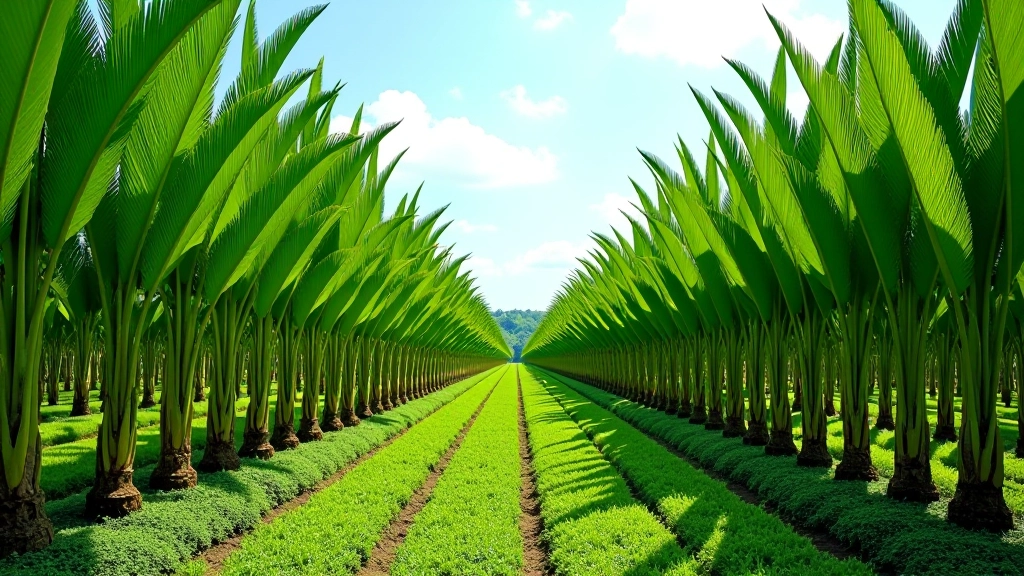
Palm oil isn’t just another commodity — it’s woven into the fabric of Malaysia’s economy and global supply chains. The country produces roughly 30% of the world’s palm oil, generating billions in annual revenue and supporting hundreds of thousands of jobs across production, processing, and export sectors.
But here’s what’s interesting: the palm oil trade is far more complex than simple supply and demand. It’s shaped by environmental concerns, shifting trade agreements, consumer preferences, and regional dynamics that directly impact prices, availability, and market access. Understanding these forces helps explain how a single commodity can be simultaneously vital to an economy and deeply controversial on the world stage.
Malaysia’s palm oil isn’t confined to a single market — it’s distributed globally. The European Union, China, India, and Indonesia are major importers, each with different needs and price sensitivities. When China’s economy accelerates, palm oil demand rises. When European sustainability standards tighten, trade flows shift.
Prices fluctuate based on competing oils too. Soybean oil, rapeseed oil, and sunflower oil all compete for space in industrial and food applications. A bad harvest in South America can push buyers toward palm oil. New biofuel mandates in Europe can suddenly spike demand. These interconnections mean Malaysian exporters must constantly monitor global agricultural conditions, energy policies, and economic trends.
The trade agreements matter enormously here. RCEP (Regional Comprehensive Economic Partnership) and CPTPP (Comprehensive and Progressive Agreement for Trans-Pacific Partnership) reduce tariffs and streamline logistics, making it cheaper and faster to move palm oil to partner nations. That’s real money saved on every container shipped.


Let’s be direct: environmental groups have legitimate concerns about palm oil production. Deforestation, habitat loss for orangutans and other species, soil degradation — these aren’t fabricated issues. They’re real consequences that’ve shaped global perception of the industry.
This is where trade policy gets interesting. Many importing nations now require sustainable sourcing certifications — RSPO (Roundtable on Sustainable Palm Oil) being the most recognized. These standards increase production costs but open doors to premium markets willing to pay more for certified sustainable oil. It’s not perfect, but it’s created genuine incentives for better practices.
Malaysia’s response has been multifaceted. Investment in higher-yield plantations means more oil from fewer hectares. Research into peatland protection, wildlife corridors, and carbon sequestration. Transparency initiatives to track and verify sustainable sourcing. These aren’t quick fixes, but they’re moving the industry forward. The challenge is balancing economic necessity with environmental responsibility — and honestly, that tension isn’t going away anytime soon.
RCEP fundamentally changed regional trade dynamics. Signed in 2020 and effective from 2022, it binds together ten ASEAN nations plus China, Japan, South Korea, Australia, and New Zealand. For Malaysian palm oil, this meant tariff reductions averaging 5-8% on shipments to member countries. When you’re moving millions of tons annually, that’s substantial savings.
CPTPP works differently — it’s more selective. Only 11 nations participate (notably excluding China). But the requirements are stricter, focusing on labor standards, environmental compliance, and intellectual property. For Malaysian exporters, CPTPP access means higher compliance costs but entry to wealthy markets like Japan, Canada, and Australia willing to pay premiums for verified quality.
The real story is how these agreements create winners and losers. Exporters with established quality systems and certifications thrive under CPTPP. Those optimized for volume and cost-efficiency benefit more from RCEP’s simpler requirements. Malaysia’s strength is having capacity to compete on both fronts — that flexibility is a genuine competitive advantage.

Today’s palm oil exporters don’t just ship crude oil anymore. They’ve moved upstream into processing, refining, and specialty products. Margarine, shortening, biodiesel, cosmetic oils — each product targets different market segments with different margins. A single plantation can feed multiple value-added streams, which diversifies risk and improves profitability.
Logistics have gotten sophisticated too. Vertical integration from plantation to port means exporters control quality, timing, and supply consistency. Digital tracking systems let buyers verify batch origins and sustainability credentials in real-time. It’s not romantic, but it’s effective — reliability builds long-term contracts and premium pricing.
The emerging challenge is adaptation. Climate variability is real. Water stress, unusual weather patterns, disease outbreaks — these impact yields. Producers investing in climate-smart agriculture, improved genetics, and soil health see more stable output. Those ignoring these trends face increasing volatility. Over the next decade, this could fundamentally reshape competitive positioning in the global market.

Palm oil is Malaysia’s trade story in microcosm. It’s economically vital — supporting millions of livelihoods and generating substantial foreign exchange. It’s environmentally complex — offering both challenges and opportunities for sustainable development. And it’s deeply connected to global trade architecture — where tariffs, agreements, and market dynamics matter as much as production capacity.
Understanding palm oil exports means understanding how commodities move through global systems, how policy creates competitive advantages, and how sustainability and profitability can — with effort — coexist. For Malaysia, the next phase involves demonstrating that high-quality, responsibly produced palm oil can command premium prices in discerning global markets. That’s not guaranteed, but it’s increasingly possible.
Curious about other aspects of Malaysia’s trade profile? Explore how electronics, trade agreements, and regional dynamics shape the broader export landscape.
Explore More Trade TopicsThis article provides educational information about Malaysia’s palm oil export sector, market dynamics, and trade mechanisms. It’s designed to help readers understand commodity trade structures and policy impacts. Specific figures, statistics, and market conditions are based on publicly available data and represent general trends. Individual circumstances, regulations, and market conditions vary significantly by region and timeframe. This content isn’t professional advice for business, investment, or policy decisions. For specific guidance on trade matters, commodity investments, or policy implications, consult with relevant industry experts, trade economists, or qualified professionals in your jurisdiction.