

Reading Trade Balance Sheets: A Beginner’s Guide
Learn how to interpret trade data, understand imports versus exports, and what deficits actually mean for an economy.
Read MoreUnderstanding export structures, trade agreements, and regional dynamics shaping Southeast Asian commerce
Malaysia’s economy relies heavily on international trade. We’ve compiled practical resources to help you understand how trade balance works, why electronics and palm oil matter, and how agreements like RCEP and CPTPP affect regional business. Whether you’re studying trade policy or analyzing market trends, you’ll find clear explanations of complex concepts here.
Explore our collection of guides on Malaysia’s export composition and trade dynamics
Learn how to interpret trade data, understand imports versus exports, and what deficits actually mean for an economy.
Read More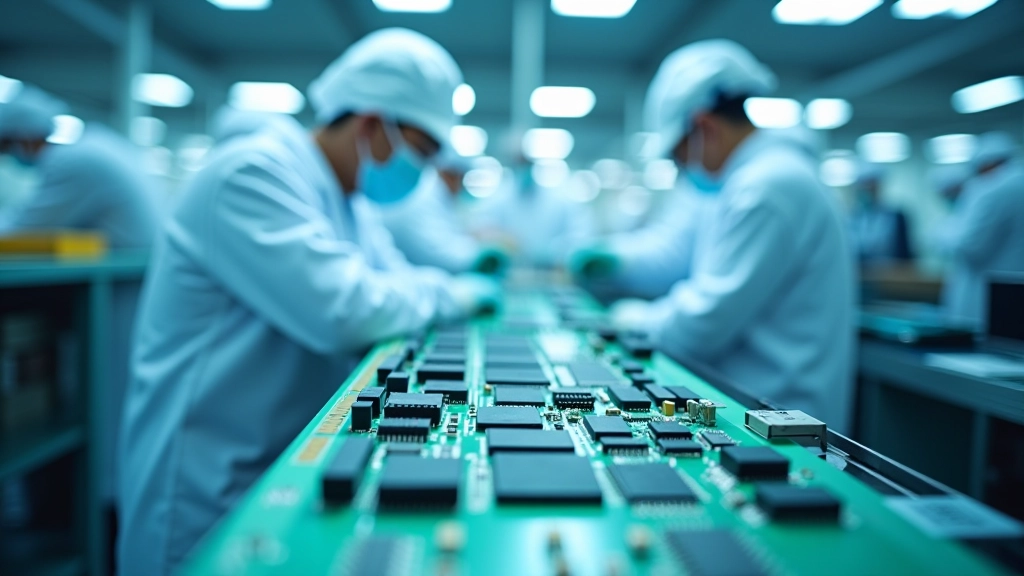
Explore the semiconductor and electrical equipment sector that generates billions annually and shapes regional supply chains.
Read More
Understand Malaysia’s role as a global palm oil supplier, market dynamics, and how trade policies affect this major commodity sector.
Read More
Break down the Regional Comprehensive Economic Partnership and Comprehensive and Progressive Agreement, and how they reshape Asian trade rules.
Read MoreA trade balance shows the difference between what a country exports and imports. When exports exceed imports, you have a surplus. When imports exceed exports, you’ve got a deficit. Neither is inherently “good” or “bad” — it depends on the context. Malaysia typically runs a trade surplus because its manufacturing and commodity exports are substantial. Understanding these numbers helps you see the real picture of economic health, not the simplified headlines you might read.
ASEAN intra-regional trade has grown significantly over the past two decades. Countries like Malaysia benefit from being positioned within this network — they can source materials from neighbors, manufacture products locally, and export finished goods across the region. This integration means Malaysian trade isn’t just about exports to distant markets anymore. It’s about being part of a complex supply chain where materials and products move between Southeast Asian nations constantly. That’s why regional trade agreements matter so much.
When a country’s exports rely heavily on a few sectors (like electronics and palm oil in Malaysia’s case), it creates both opportunity and vulnerability. Opportunities come from specializing in what you’re good at. Vulnerability happens if markets shift or if demand drops for those specific products. That’s why diversification is always a topic in trade policy discussions. Malaysia has been gradually expanding into other sectors, but the historical concentration shows how trade structure evolves over time.
A practical breakdown of how RCEP and CPTPP affect Malaysia’s trading environment
Trade agreements lower or eliminate tariffs on goods between member countries. This makes exports cheaper and more competitive. For Malaysia, this means electronics and palm oil products face fewer barriers when shipped to RCEP or CPTPP partners.
To benefit from reduced tariffs, products must meet specific origin requirements. They need to contain a certain percentage of components or raw materials from member countries. This encourages regional manufacturing networks.
Beyond goods, these agreements open markets for services — banking, logistics, telecommunications. Malaysian companies can more easily do business in partner countries, expanding opportunities beyond physical product exports.
Agreements include mechanisms for resolving trade disputes between member nations. This creates predictability. Companies know there’s a formal process if conflicts arise, which encourages long-term business relationships and investment.