

Reading Trade Balance Sheets: A Beginner’s Guide
Learn how to interpret trade data, understand imports versus exports, and what deficit or surplus actually means for an economy.
Read MoreExplore how semiconductors and electrical equipment generate billions annually and shape regional supply chains across Southeast Asia.
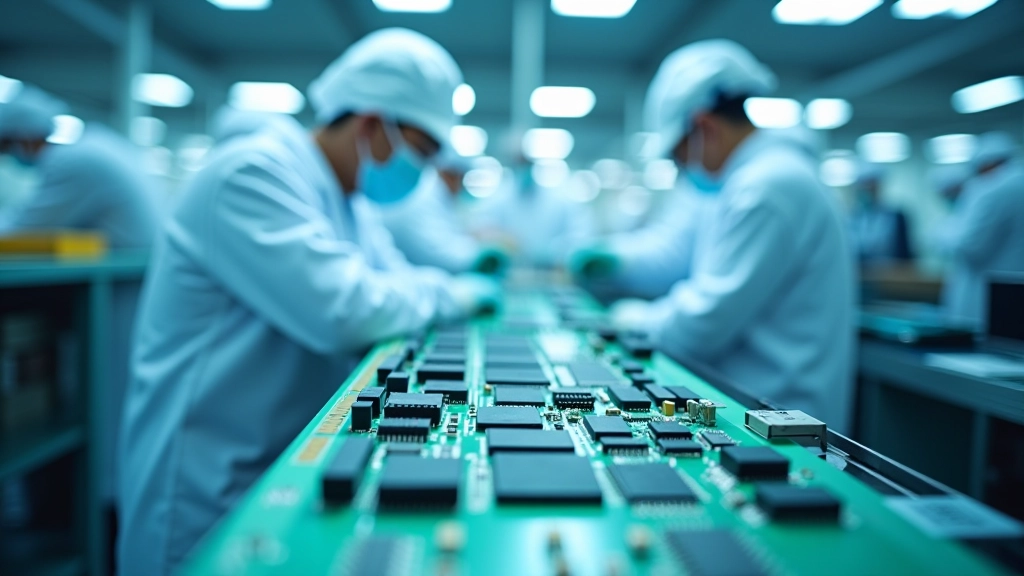
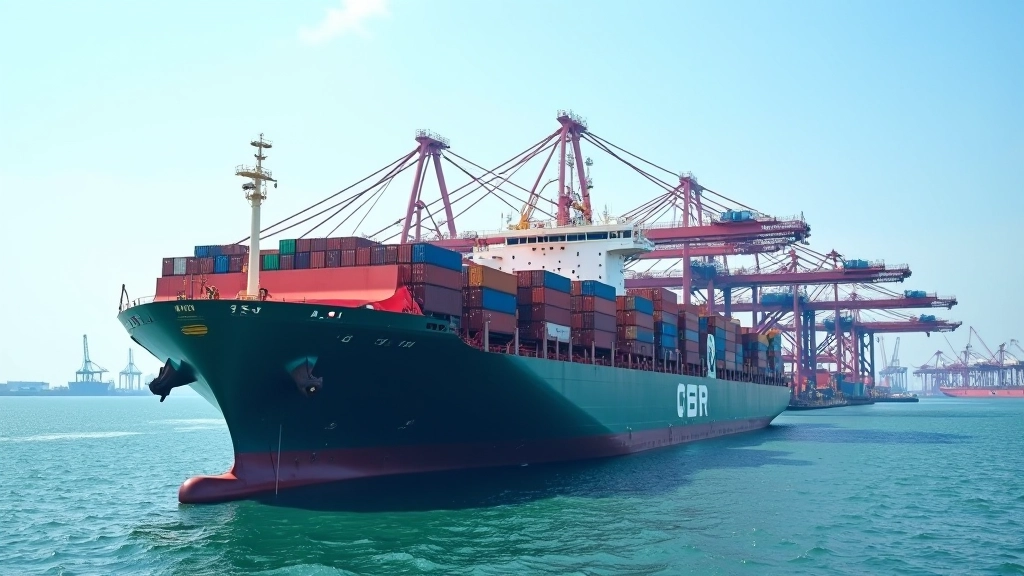
Walk through the Port of Penang and you’ll see containers stacked with semiconductor wafers, circuit boards, and electrical components destined for factories and consumers worldwide. Electronics isn’t just Malaysia’s biggest export — it’s fundamentally reshaped how the country connects to global supply chains. We’re talking about an industry that contributes roughly $75 billion annually to the economy and employs over 200,000 workers across manufacturing, design, and logistics.
But here’s what’s really interesting: Malaysia didn’t stumble into this position. The country deliberately built the infrastructure, attracted multinational corporations, and developed the skilled workforce that makes it a critical hub for global electronics production. Understanding why electronics dominate Malaysia’s export landscape tells you something important about how modern international trade actually works.
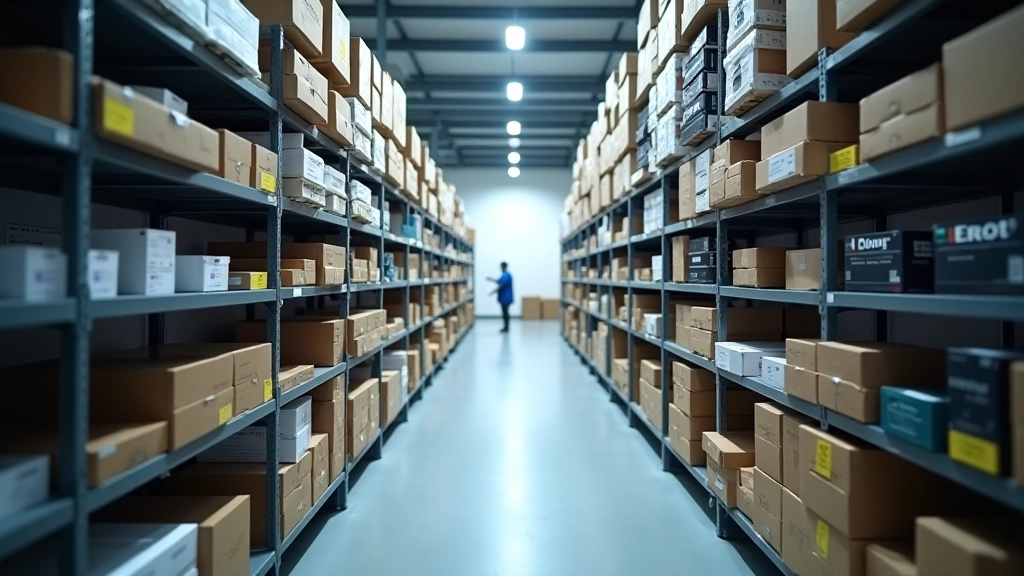
The story starts in the 1970s when Malaysian government officials realized that agricultural exports alone wouldn’t build a modern economy. They created free trade zones in Penang and Johor, offering tax incentives and streamlined regulations for electronics manufacturers. Companies like Intel, Motorola, and Hitachi saw the opportunity immediately — lower costs than developed nations, strategic location near shipping routes, and a government genuinely committed to industrial development.
What happened next was rapid transformation. By 1985, Malaysia was already among the world’s top semiconductor exporters. The government didn’t just wait for investment — they actively built the ecosystem. They established vocational training programs specifically for electronics assembly. They invested in port infrastructure. They created a business environment where companies could actually operate efficiently.
Today, Malaysia manufactures around 8% of the world’s semiconductors. The country produces over 400 different types of electronic components. You’ll find Malaysian-made chips in smartphones, automotive systems, industrial equipment, and consumer appliances distributed across 200+ countries. That’s not accidental — that’s the result of deliberate strategy executed consistently over 50 years.

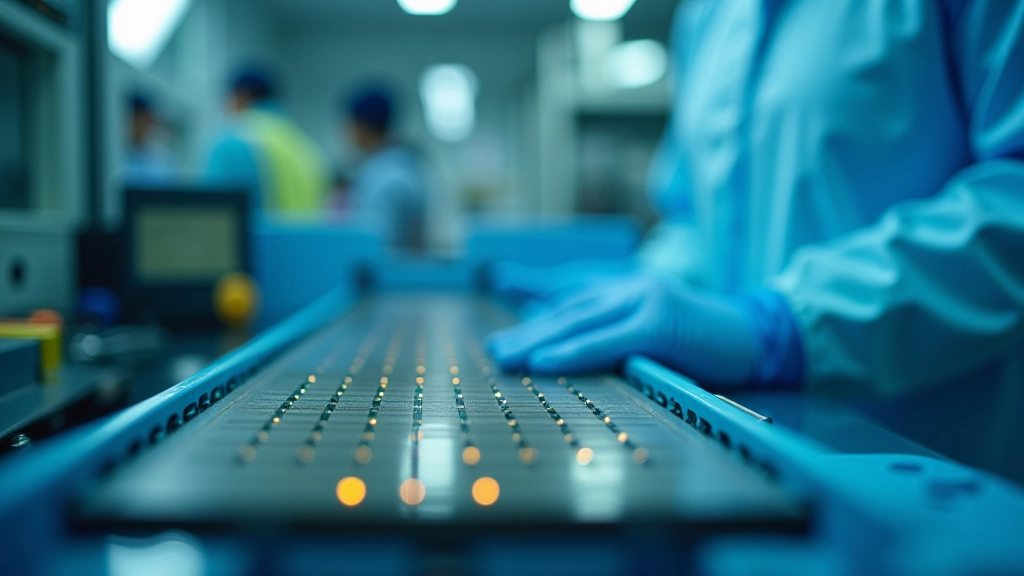
Here’s why companies keep choosing Malaysia: it’s not about being the cheapest anymore. Labor costs in China, Vietnam, and other Asian countries are often lower. Malaysia’s real advantage is something deeper — reliability and supply chain integration. When you’re manufacturing components that go into critical systems (automotive electronics, medical devices, telecommunications equipment), you need partners who deliver consistently and maintain quality standards.
Malaysian electronics manufacturers operate with ISO 9001 certification across most facilities. They’ve invested in automation, quality control systems, and worker training programs that consistently produce components meeting strict international standards. A major automaker needs to know their semiconductor supplier won’t suddenly disappear or drop quality. Malaysia’s 50-year track record provides that assurance.
The country also sits perfectly for logistics. Penang is one of the world’s busiest container ports. Components manufactured on Monday can reach factories in Japan, South Korea, or Thailand by Wednesday. Proximity to major shipping routes, combined with efficient port operations and trade agreements like RCEP, means Malaysian electronics move globally with minimal delays. That matters tremendously in an industry where timing directly impacts profitability.
When we talk about Malaysia’s electronics exports, we’re looking at several distinct categories, each worth understanding. Semiconductors represent roughly 45% of electronics exports — these include microprocessors, memory chips, and specialized integrated circuits. The assembly and testing of these components happens in dedicated fabrication plants, many operated by or for multinational corporations with Malaysian subsidiaries.
What’s interesting is that Malaysia exports aren’t primarily finished consumer products. You’re not buying Malaysian smartphones or laptops (though Malaysian components are inside most of them). Instead, Malaysia’s strength lies in the complex intermediate goods that other manufacturers assemble into final products. This actually provides more stability — demand from manufacturing sectors tends to be steadier than consumer goods demand.
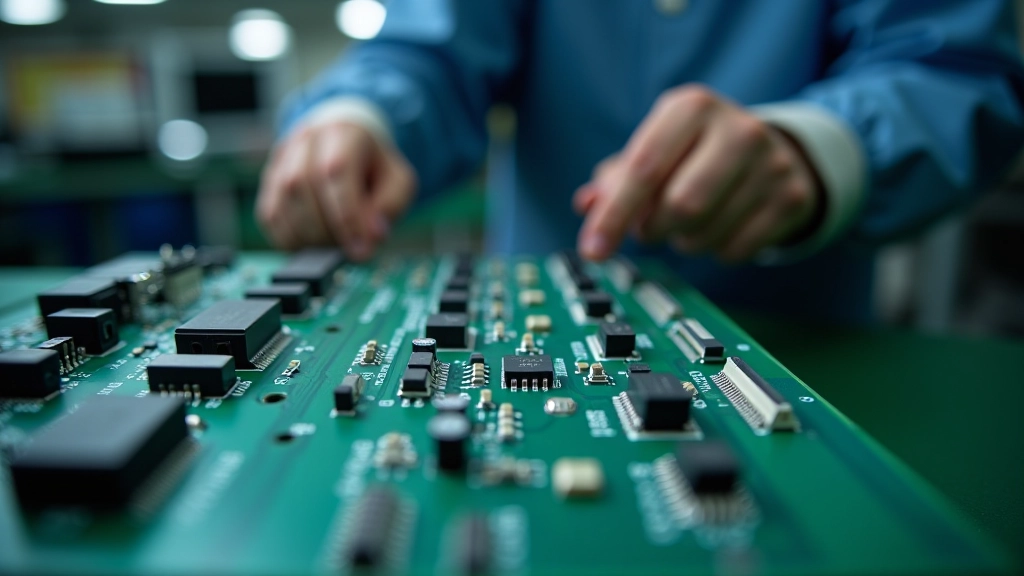
Malaysia’s electronics dominance doesn’t happen in isolation. It’s directly enabled by trade agreements that reduce barriers and create preferential access to major markets. RCEP (Regional Comprehensive Economic Partnership), which came into effect in January 2022, eliminated or significantly reduced tariffs on electronics components traded between Malaysia and 14 other Asian economies. That’s 2.3 billion people with preferential access to Malaysian electronics.
CPTPP (Comprehensive and Progressive Agreement for Trans-Pacific Partnership) gives Malaysian electronics preferential access to developed markets including Japan, Canada, and Australia. While the U.S. isn’t part of CPTPP, Malaysia maintains separate trade agreements that keep American manufacturers invested in Malaysian operations. Companies like Intel maintain major manufacturing and testing facilities in Malaysia specifically because the trade framework makes it economically attractive.
These aren’t theoretical advantages. When a Malaysian semiconductor manufacturer can export to Japan with 0% tariffs instead of 5%, that’s roughly $30-50 million in annual savings for a major facility. Those savings get reinvested in equipment upgrades, worker training, and capacity expansion — creating a virtuous cycle that strengthens Malaysia’s competitive position further.
Malaysia’s electronics dominance won’t last forever unless the country continues evolving. Competition from Vietnam, Thailand, and India is real. What keeps Malaysia ahead is deliberate reinvestment in higher-value manufacturing. The country is shifting toward advanced packaging, system-on-chip design, and semiconductor testing — all higher-margin activities. Government initiatives like the Malaysia Digital Economy Framework are pushing companies toward Industry 4.0 technologies, automation, and artificial intelligence integration.
The next phase involves developing Malaysia’s own electronics design capabilities rather than just manufacturing components designed elsewhere. Several Malaysian companies are already moving in this direction, developing specialized chips for IoT devices, industrial applications, and automotive systems. That’s where the real value and long-term competitive advantage lies.
“Malaysia’s electronics sector isn’t just about current exports — it’s about building the innovation ecosystem that ensures relevance in global supply chains for the next 50 years.”
Understanding why electronics dominate Malaysia’s export market reveals something fundamental about modern international trade. Success isn’t random or inevitable. It’s built through consistent strategy, infrastructure investment, skilled workforce development, and creating an environment where companies want to operate. Malaysia got these fundamentals right decades ago, and continues refining them. That’s why semiconductor plants and electronics manufacturers keep choosing Malaysia as their regional hub, and why Malaysian-made components reach virtually every corner of the global economy.


This article provides informational and educational content about Malaysia’s electronics export sector, trade structures, and international commerce. The information presented reflects general trade data, historical developments, and publicly available information as of March 2026. Trade dynamics, tariff rates, and supply chain structures change regularly and may differ from what’s presented here. Export statistics come from various sources and may include revisions. This content is not intended as investment advice, trade strategy guidance, or business recommendations. Anyone making decisions based on this information should conduct additional research and consult with trade experts, economists, or business professionals familiar with current market conditions. We’ve made efforts to ensure accuracy, but trade policy and economics are complex fields where interpretations vary among experts.